important library find
Posted: May 23rd, 2018 | Tags: Uncategorized | Comments Off on important library find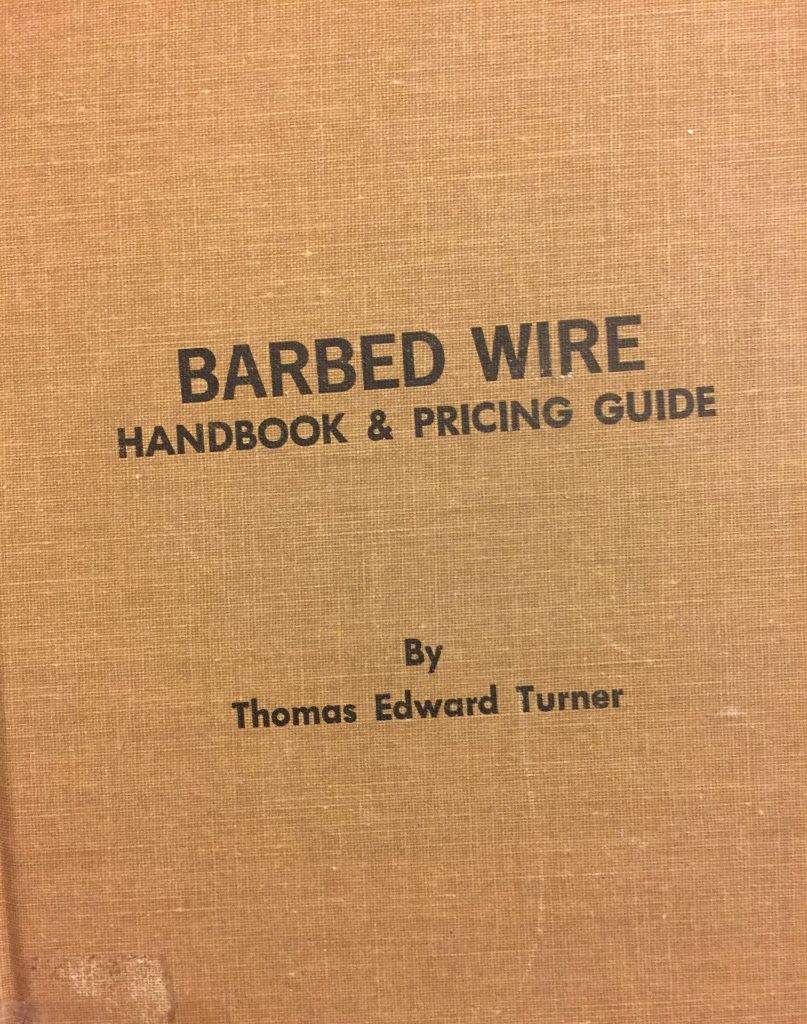
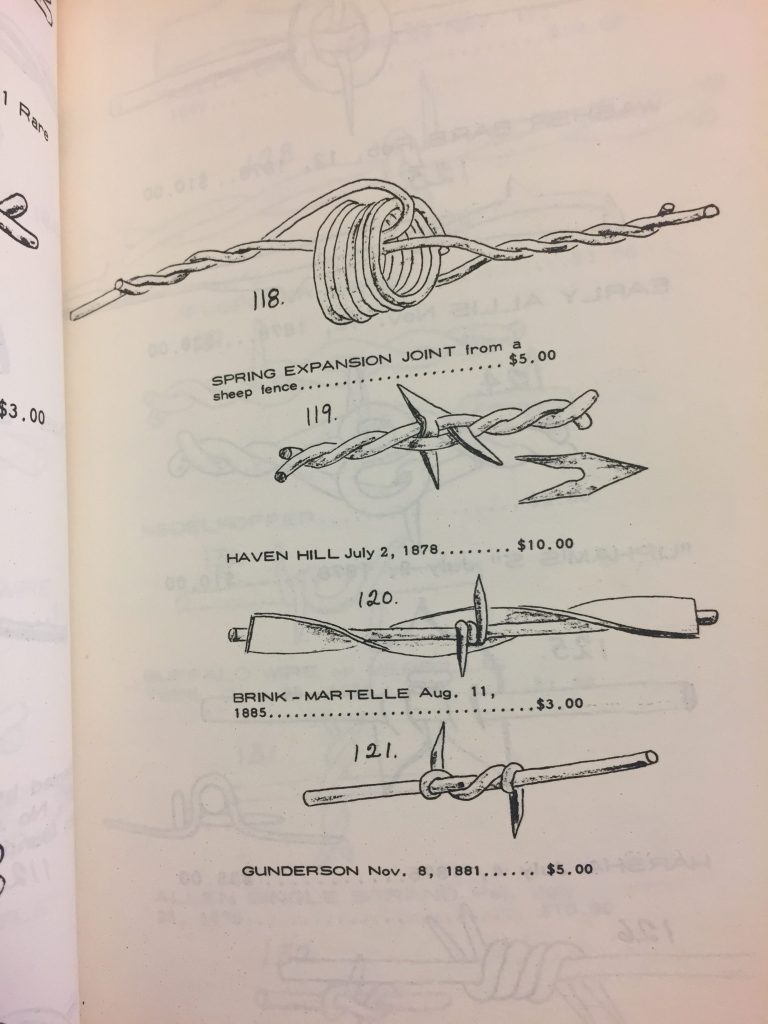

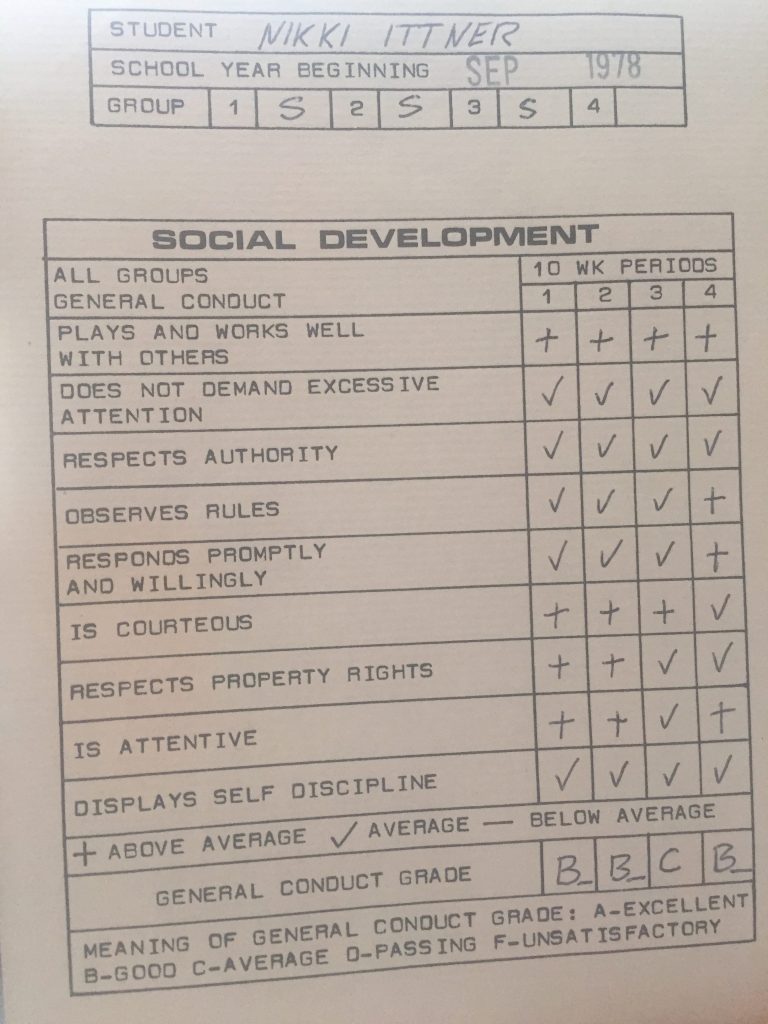
RUDE
(also they misspelled my name, which i feel somewhat discredits the whole thing)
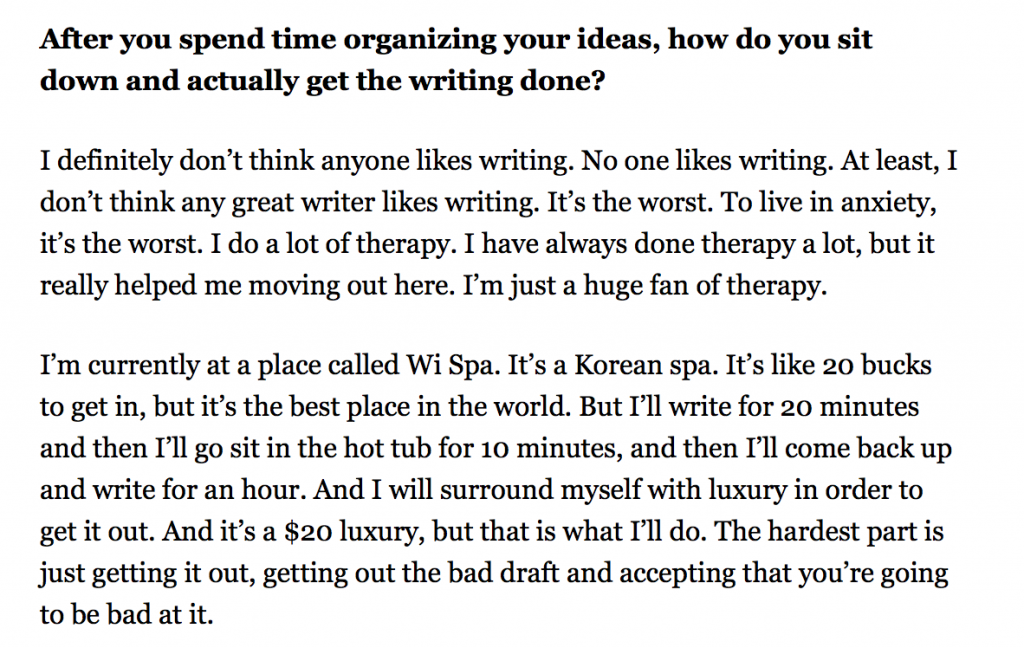
my kind of writing style — from the creative independent’s interview with writer and producer (and navajo tapestry weaver) Sierra Teller Ornelas:

“We have to stop treating people like we’re in Fallujah,” Patrick Skinner said. “Just look what happened in Fallujah.”
Photograph by Jonno Rattman for The New Yorker
from “the spy who came home,” about CIA counterterrorism agent patrick skinner who returned from iraq and became a beat cop in savannah:
Skinner spent a year in Afghanistan, often under fire from Taliban positions, and returned several times in the next decade. He kept a note pinned to his ballistic vest that read “Tell my wife it was pointless.”
according to this site (somehow on the girlboss mailing list? dur) — anyway, i’ll take ’em:
(via laura olin, AGAIN!)
good song: “midsummer” by katie von schleicher

THE BIG PICTURE, Martin Short, 1989, (c) Columbia. Via this site.
we loved the big picture in high school and repeatedly watched martin short’s scenes. from david kamp’s 2012 vanity fair interview with martin short:
His [martin short’s] cameo in the 1989 movie The Big Picture—an outlier in Christopher Guest’s directorial canon, a straightforward, non-pseudo-doc narrative of a hot young filmmaker, played by Kevin Bacon, whose script gets mauled by the studio process—crystallized this transition. With spot-on silken phoniness and a peculiar third-sex affect, Short played a talent agent pitching woo to Bacon’s character: “This is the thing: If you decide to sign with me, you’re gonna get more than an agent. You’re gonna get [holding up four fingers] three people. You’re gonna get an agent, a mother, a father, a shoulder to cry on, someone who knows this business inside and out. And if anyone ever tries to cross you? I’ll grab them by the balls, and squeeze till they’re dead.”
zinger from that martin short interview:
If you were guaranteed a green light, what project would you start working on tomorrow?
I’m very aware that if I haven’t done something at this point in my career, there’s probably a reason I haven’t done it.There must be something.
I don’t think I have an answer.Come on, what is it? King Lear?
The Trojan Women actually.
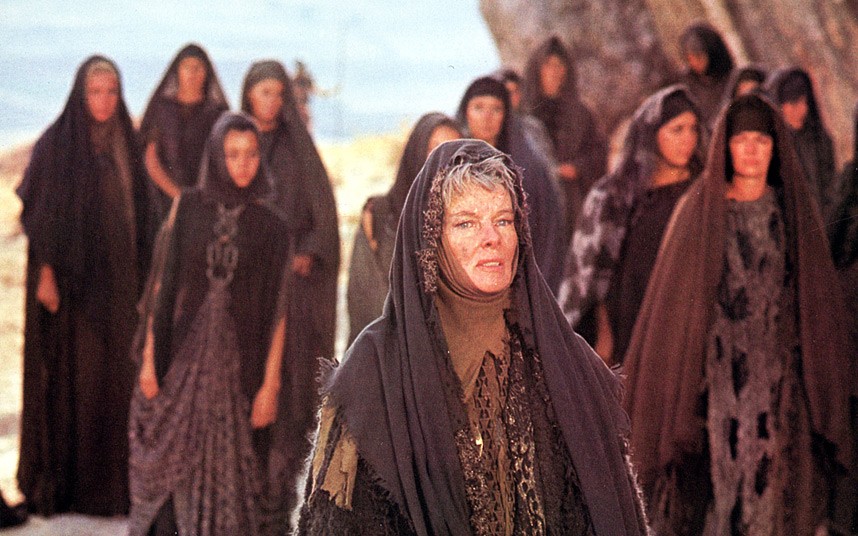
PRO TIP: DO NOT WATCH THE TROJAN WOMEN FILM IF YOU CAN HELP IT
sidenote: just watched that jackie rogers jr.’s $100,000 jackpot wad sketch (great name, though whoa), and that ’70s show’s fez is almost a direct rip off of christopher guest’s rajeev vindaloo. also all this short reading has reminded me how great jiminy glick is (“my next guest is an absolute living legend of comedy, and he’ll tell you all about it, if he ever gets you cornered, like he often does. please welcome, from the ’90s, jerry seinfeld”).
this martin short interview is so so great, so many zingers but also such heart. one moment about his wife, nancy, who passed away from ovarian cancer in 2010:
I apologize for changing subjects so severely, but I can’t help but wonder if this amazing ease you have with who you are is connected to how well you’ve been able to process grief. Your description in your memoir of how you mourned your wife’s passing — I know this is maybe a weird way to put it, but you seemed to deal with her death in such a graceful way.
I don’t know. When I agreed to do the book I had no intention of writing about Nancy’s death beyond just acknowledging that she’d died. But then as I got into the book it felt preposterous to not write about our journey together, even at the end. I didn’t want to feel like her death was something I needed to hide. I wanted to expose what I’ve experienced about grief and loss. I didn’t see how you could write a book about life and not include those things, because as much as we might wish they weren’t, they are a part of life.Did it take time after she died to find things funny again?
I’m not sure — you didn’t see me on a talk show for a year or so after she died. But I think that I’ve always had — and it probably comes from the childhood experience of having to go back to school after your brother dies or your mother or father dies — the ability to compartmentalize. Maybe you have to become a little bit frozen emotionally for a while after someone you love dies, but you do find comfort in moving back into the normalcy of “this is me being funny.” I’m not saying that you do a set the night you lose a loved one, but I am saying that grieving doesn’t necessarily impede your ability to do the things you’re good at. I guess what you’re trying to find after something like that happens is what “normal” feels like.Do you ever find it?
A part of you never gets over it, and a part of you does move on. That’s natural.
© Copyright 2026 | bookbinderlocal455.com | All Rights Reserved
